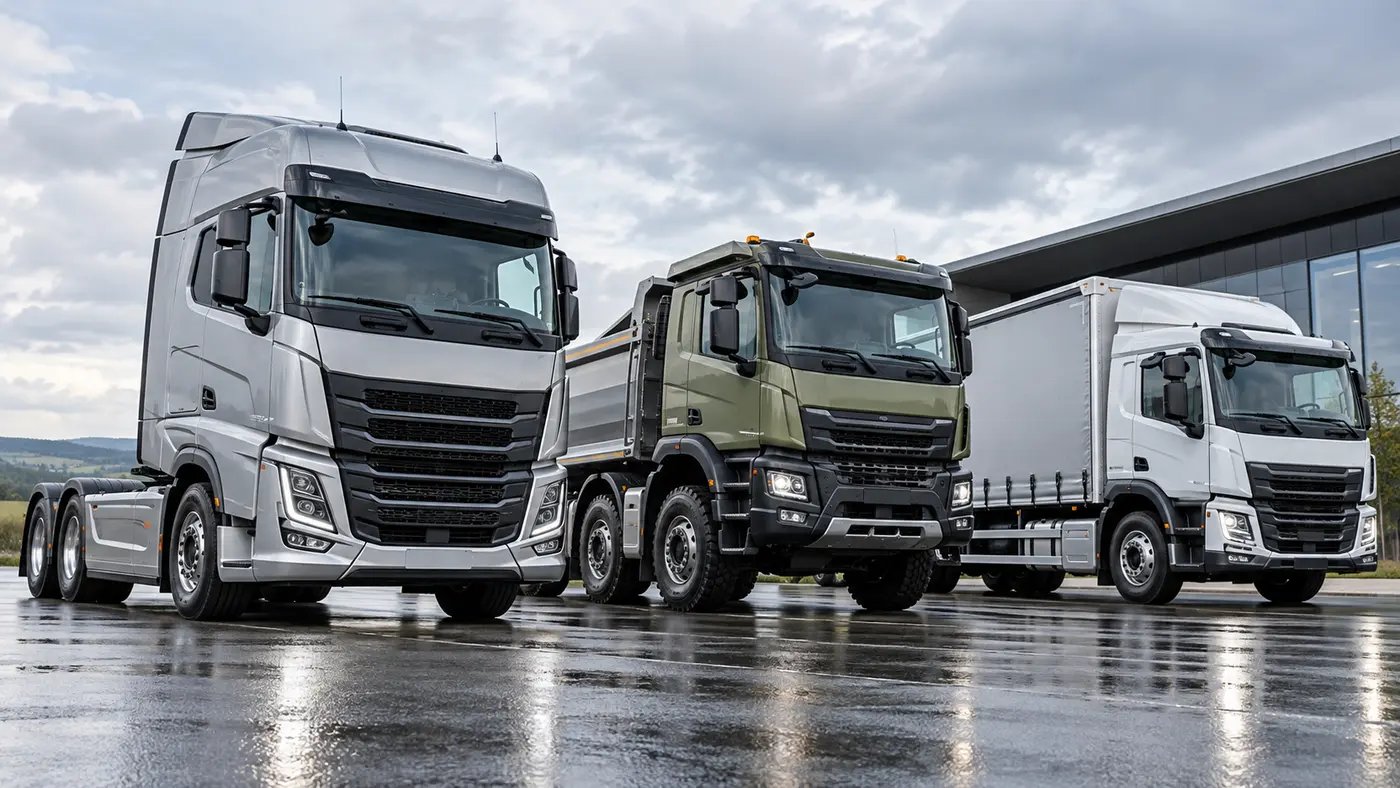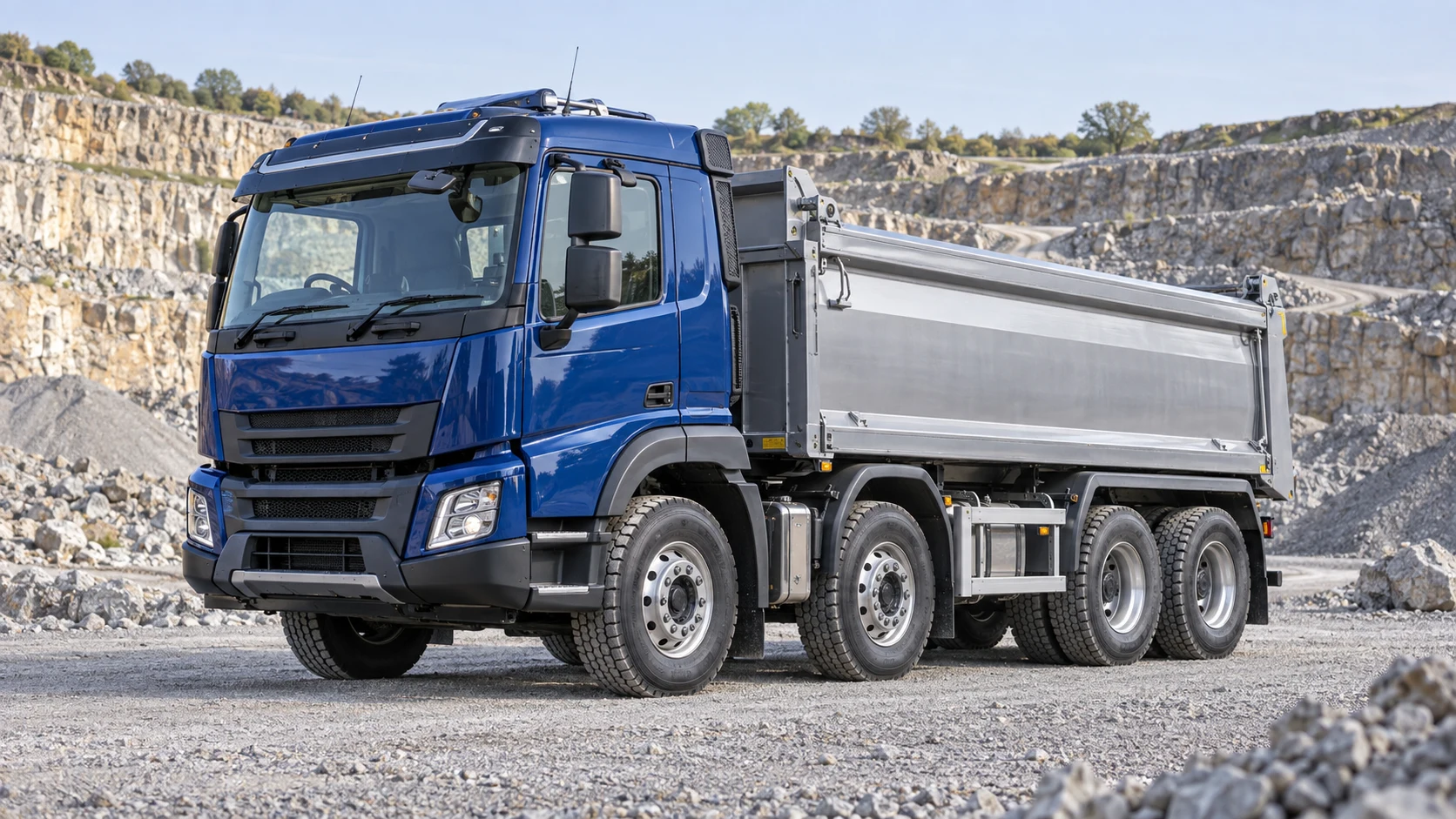
Ordering a new truck usually means committing to a vehicle that will work for your business for many years. The cab, chassis, body and drivetrain you choose now will shape what the truck can carry, where it can go, how much it costs to run and how easy it is to sell later. Getting the specification right at the start is far cheaper than living with a compromise.
This checklist is written for UK operators, from owner-drivers adding a first rigid to fleets replacing several vehicles. It will not tell you which brand to buy. It sets out the questions worth answering before you sit down with a dealer.
1. Start with the work, not the brochure
Write down what the truck will actually do on a normal day. What does it carry, and how much? How far does it travel, and on what kind of roads? Does it spend its time on motorways, in town centres, on building sites or in quarries? How many hours will it work, and will it be double-shifted?
The answers shape almost every later decision. A truck that runs long motorway legs needs a different cab, driveline and fuel strategy from one that makes short urban drops or climbs in and out of muddy sites. It is worth looking at a few weeks of real journeys, tachograph data or delivery records rather than relying on a general impression.
2. Payload: what can the truck legally carry?
Gross vehicle weight (GVW) is the maximum permitted weight of the truck and its load together. Payload is what remains once you subtract the weight of the chassis, cab, fuel or batteries, body, equipment, driver and anything else permanently carried. Two trucks with the same GVW can have noticeably different payloads.
Ask for a weight calculation based on the complete vehicle as it will be built, including the body and any crane, tail lift, tipping gear or tanks. Check individual axle loads as well as the total, because a truck can be overloaded on one axle while still being within its overall limit. This is especially important for vehicles that unload progressively, such as multi-drop rigids.
Weight also has licensing and compliance implications. Driving licence categories depend on vehicle weight, and most goods vehicles over 3.5 tonnes used for business need an operator’s licence. Check the current GOV.UK guidance for your circumstances.
3. Axle configuration
The axle layout, such as 4×2, 6×2, 6×4 or 8×4, affects legal weight limits, traction, manoeuvrability, tyre wear, fuel or energy use and purchase price. A driven rear bogie gives more grip on soft ground but adds weight and complexity. Lifting or steering rear axles can reduce tyre scrub and improve turning in tight yards, but they need to suit the way the truck is loaded.
For tractor units, think about the trailers you pull and the weights you run. For rigids, consider whether the truck will work off-road, how tight your delivery points are and whether a shorter wheelbase would help.
4. Body and equipment requirements
Many trucks are sold as a chassis cab and bodied afterwards. The body and equipment can account for a significant share of the cost, weight and lead time, so bring them into the conversation early.
- Confirm the body length, wheelbase and rear overhang with the bodybuilder.
- Check power take-off (PTO) requirements for tippers, cranes, hook loaders and refrigeration.
- Agree where fuel tanks, battery packs, air tanks and toolboxes will sit.
- Ask who is responsible for the final weight check, plating and any required approvals.
If the dealer is arranging the body, make sure the quotation is clear about what is included. If you are using your own bodybuilder, involve them before the chassis is ordered.
5. Cab requirements
The cab is the driver’s workplace. Choose the size and roof height for the job: a day cab may suit local work, while a driver who nights out needs a sleeper cab with proper storage and rest space. Consider access steps, visibility, seat adjustment, climate control and storage. For urban work, direct vision and low-entry cabs can make a real difference, and some areas have their own requirements, such as the Direct Vision Standard permit for heavier trucks operating in Greater London.
Ask your drivers. They will often spot practical issues that are easy to miss on a specification sheet.
6. Fuel type
Diesel remains the most common choice for heavy trucks in the UK, but battery-electric, gas and other alternatives are now available for some applications. The right choice depends on daily mileage, payload, charging or refuelling access and the areas you operate in. Our separate guide, Diesel or electric: choosing your next working truck, covers this in more detail.
Whatever you choose, check how local clean air rules affect the vehicle and whether your customers have their own emissions requirements.
7. Dealer support and warranties
A truck is only earning when it is working. Look at where the nearest dealer workshops are, their opening hours and whether they offer out-of-hours or roadside support. Ask about parts availability and typical turnaround times for your type of vehicle.
Read the warranty terms carefully. Check what is covered, for how long and at what mileage, and whether the body and equipment carry separate warranties from different suppliers. Repair and maintenance contracts can make costs more predictable, but compare what they include against your own workshop arrangements.
8. Running costs
The purchase price is only part of the cost. Build a simple whole-life estimate covering fuel or energy, tyres, servicing, repairs, insurance, road tax, finance costs and the likely value when you sell. Ask for fuel or energy consumption figures that reflect work similar to yours, and treat any manufacturer figure as a starting point rather than a promise.
Driver comfort and reliability also affect running costs indirectly, through driver retention and time off the road.
9. Finance considerations
Decide early how you will fund the truck, because it can affect which vehicle makes sense. Common options include outright purchase, hire purchase, finance lease and contract hire. Each treats ownership, VAT, deposits, monthly payments and the end of the agreement differently.
Think about the deposit you can comfortably put down, the term that matches the truck’s working life and what happens if your work changes. Your accountant can advise on the tax treatment for your business. A finance broker such as Direct Commercial Finance can explain the options available. This article is general information, not financial advice, and any finance is subject to status and lender approval.
10. Confirm the final specification
Before you sign, ask for the complete specification in writing: chassis, cab, drivetrain, axle ratings, body, equipment, weights, warranty terms, delivery date and price, including what is and is not included. Check it against your notes from the start of the process.
Specifications, options and availability can change between order and delivery, so confirm every detail with the manufacturer or supplying dealer, and ask them to put any changes in writing.
A final thought
A good specification comes from matching the truck to the job. Take the time to gather real information about your work, involve your drivers and bodybuilder, and compare the full cost of ownership. If a used truck could do the same job sooner, it is worth browsing trucks currently for sale as well.