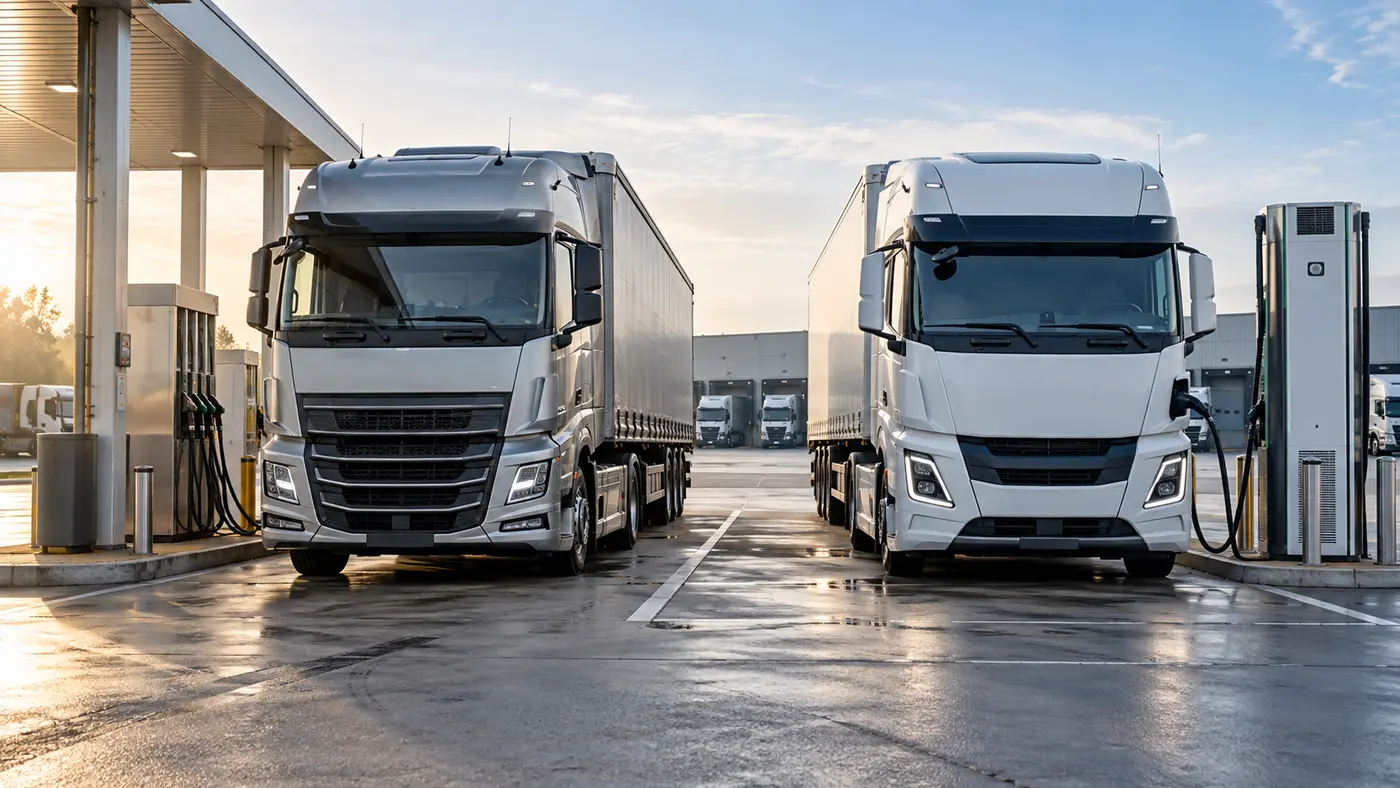
The UK new-truck market has returned to growth, but the latest figures also expose a widening gap between conventional fleet renewal and the move to zero-emission HGVs.
According to the Society of Motor Manufacturers and Traders (SMMT), 9,941 new heavy goods vehicles were registered in the third quarter of 2026. That was 7.2% more than in the same quarter of 2025, the strongest quarterly result since Q3 2023 and the first increase since Q2 2024.
The headline is positive, but it needs context. Registrations are still 3.8% lower across the first nine months of 2026, while only 111 zero-emission HGVs reached the road during Q3. That was a 50.7% fall year on year and left zero-emission trucks with just 1.1% of the quarterly market.
Which parts of the HGV market are growing?
Articulated trucks produced the stronger recovery. Registrations rose 11.2% to 4,543 units in Q3, while rigids increased 4.1% to 5,398.
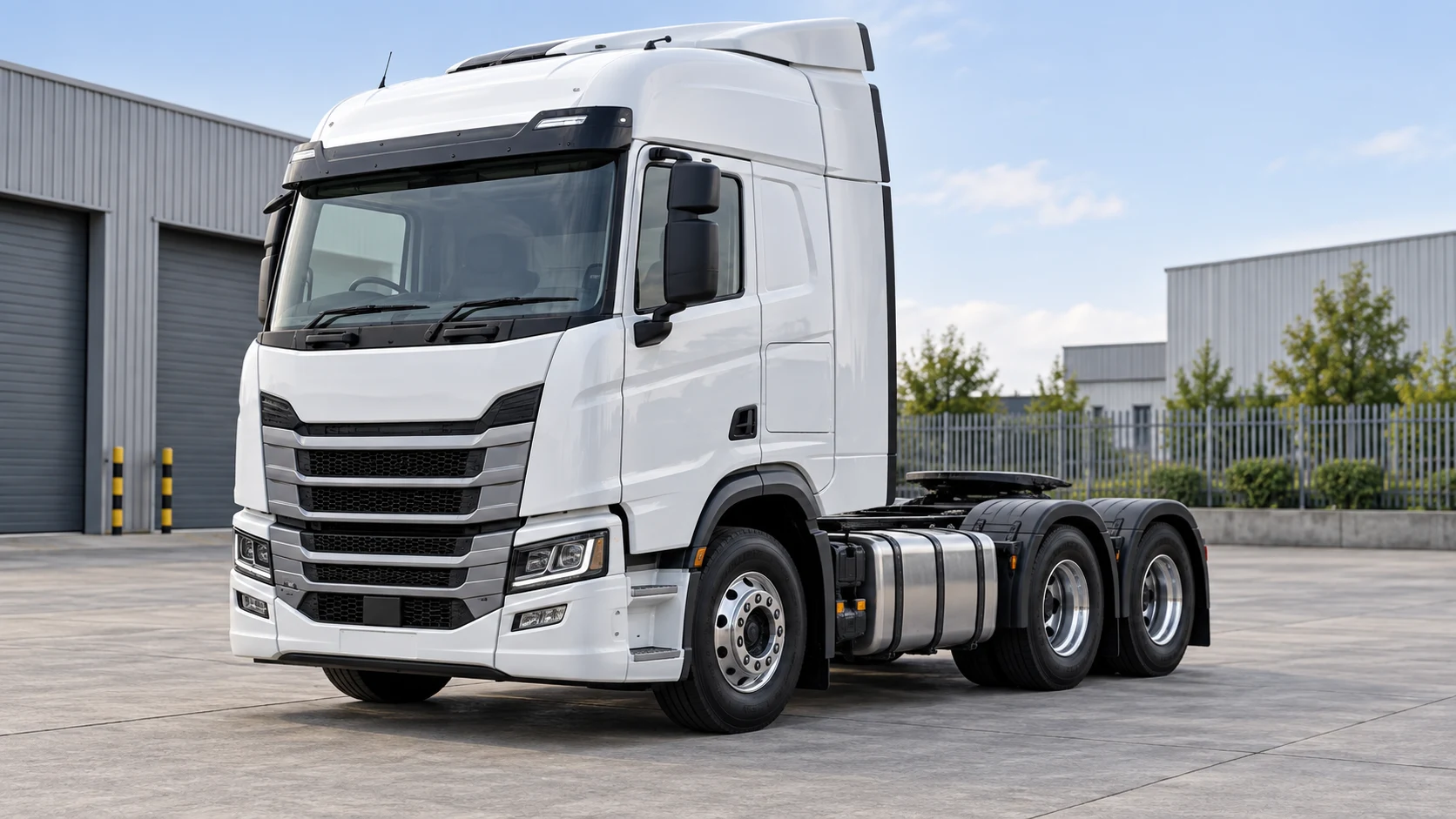
Within the artic total, demand for vehicles with three or more axles increased 15.4% to 3,882 units. Two-axle artics moved in the other direction, falling 8.6% to 661. That split matters to used-truck buyers because the new vehicles entering fleets today often become the late-model used stock of the next few years.
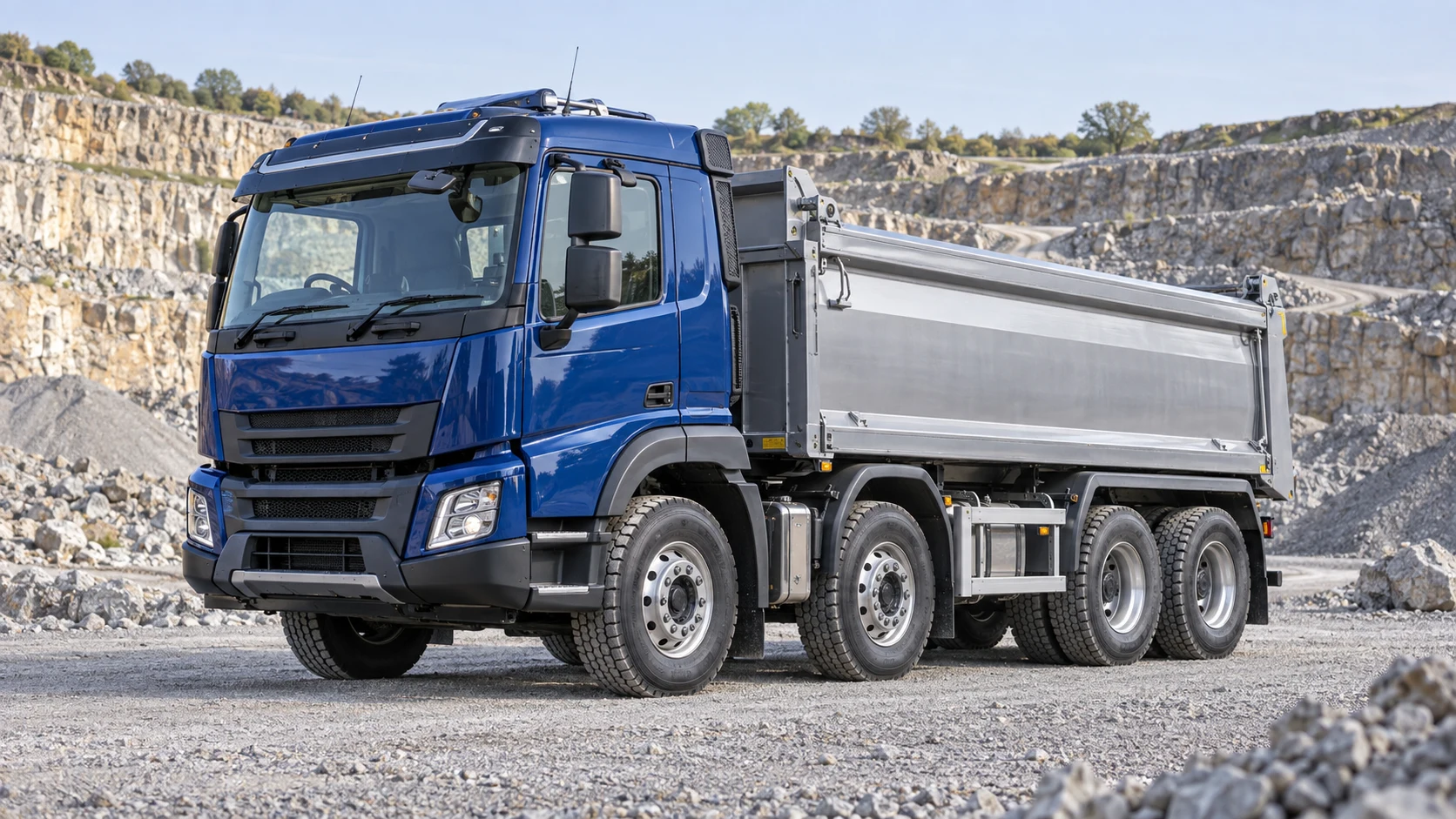
Tractor registrations increased 12.3% to 4,453. Tippers were also notably stronger, up 19.1% to 847, while refuse vehicles rose 31.5% to 760. Curtain-sided trucks grew 8.4% to 657, but box-van registrations fell 11.8% to 793.
These numbers do not mean every operator is expanding. HGV purchasing is cyclical: large fleets can replace vehicles in batches, and the comparison is against a weak Q3 2025. Even so, the mix suggests that buyers are still committing money where a truck has a clearly defined job and a credible payback.
What the figures mean for truck buyers
A stronger new-truck quarter can affect both availability and pricing. More new deliveries can release part-exchanges and end-of-contract vehicles into the used market. The effect is rarely immediate or even across every category, but buyers may see more late-model tractor units and specialist rigids as replacement programmes work through.
Start with the work rather than the market headline. A rise in three-axle artic registrations does not make that configuration right for every fleet. Payload, coupling height, axle weights, manoeuvrability, body equipment, driver requirements and the normal route should still decide the specification.
For currently advertised stock, compare tractor units for sale and tippers for sale. Our guide to tractor-unit axle layouts explains the practical differences between 4×2, 6×2 and 6×4 configurations.
Why did zero-emission HGV registrations fall?
The SMMT recorded 111 zero-emission HGV registrations in Q3 2026, down from 225 a year earlier. Across the first nine months, 282 were registered, 30.9% fewer than in the same period of 2025.
That does not show that electric trucks have stopped developing. Manufacturers now offer a much broader range of battery-electric rigids and tractor units, including models eligible for the government's Zero Emission Truck Grant. The problem is that vehicle availability is only one part of the buying decision.
An operator must make the duty cycle, payload, charging window and energy supply work at the same time. A truck that returns to the same depot every night with predictable mileage is a different proposition from one running variable long-distance work. The price of the vehicle, charger and grid connection also arrives before the savings from energy or maintenance have had time to build.
Quarterly registrations can be volatile when the market is this small. A few large fleet orders being delivered earlier or later can move the percentage sharply. The better conclusion is not that electric HGVs have failed, but that uptake remains fragile and depends on individual projects stacking up commercially.
What grant support is currently available?
GOV.UK says the Zero Emission Truck Grant is applied by the seller as a discount on an eligible vehicle. The maximum varies by weight:
- 4.25 to 12 tonnes: up to £15,000 or 20% of the upfront cost, whichever is lower.
- 12 to 18 tonnes: up to £37,000 or 40%, whichever is lower.
- 18 to 26 tonnes: up to £52,000 or 40%, whichever is lower.
- Over 26 tonnes: up to £81,000 or 40%, whichever is lower.
Different limits can apply to large enterprises in Northern Ireland. Grant rules and the eligible-model list can change, so buyers should confirm the exact completed or incomplete vehicle variant before relying on a figure in a proposal.
The government's Depot Charging Scheme is intended to support the infrastructure side. Its published guidance says a second application window was expected to run from 28 October 2026 to 29 January 2027 for projects beginning from April 2027, while also noting that the terms and grant rates for that phase still needed confirmation. Operators should check the live scheme page rather than assume an earlier funding percentage will carry forward.
A practical buying test for an electric truck
Before comparing a diesel quote with an electric one, map at least four weeks of real work. Record daily mileage, payload, route, gradients, ambient temperature, idling, power take-off use, depot return time and how long the vehicle is genuinely parked.
Then ask the supplier to model the exact body and chassis, not a brochure tractor. Battery size, wheelbase, axle layout, refrigeration, crane equipment and auxiliary loads can all change payload and energy use.
The charging proposal deserves the same scrutiny as the truck:
- Is there enough electrical capacity at the depot now?
- What grid work is required, how much will it cost and how long will it take?
- Can several vehicles charge together at the planned rate?
- What happens if a charger fails or a truck returns late?
- Who supports the charger, software and vehicle out of hours?
- Does the route need public charging, and is a suitable site reliably available?
Build the whole-life calculation from the business's own energy tariff, mileage and planned holding period. Include finance, charger and grid costs, maintenance, tyres, payload effects, downtime, insurance and an evidence-based residual value. Our guide to choosing between diesel and electric trucks sets out the comparison in more detail.
Does the market recovery make now a good time to buy?
There is no single market answer. A busier new-truck market can mean improving confidence, but it can also mean longer lead times for popular specifications. Used values may respond differently by age, type and condition.
For an operator, the correct timing is when the current vehicle's downtime and running cost, the replacement's availability, the finance structure and the confirmed work produce a sensible result. A tax or grant incentive can improve the calculation, but it should not rescue the wrong specification.
Before ordering, compare a realistic new-truck quote with the best available used alternative. Check finished payload, body lead time, warranty, service cover and the cost of keeping the present vehicle for another year. Read our new-truck buying checklist, or browse all trucks for sale on Trucksalot.
The useful conclusion from Q3
The UK HGV market is moving again, led by stronger demand for articulated trucks, tractors and several working-vehicle categories. That is encouraging for manufacturers, dealers and operators, but the year-to-date total remains below 2025.
The fall in zero-emission registrations is the more important warning. New models and grants help, but they do not remove the need for a dependable charging plan and a duty cycle that makes commercial sense. For buyers, the lesson is simple: follow the market, but specify and finance the truck around the work it must do.