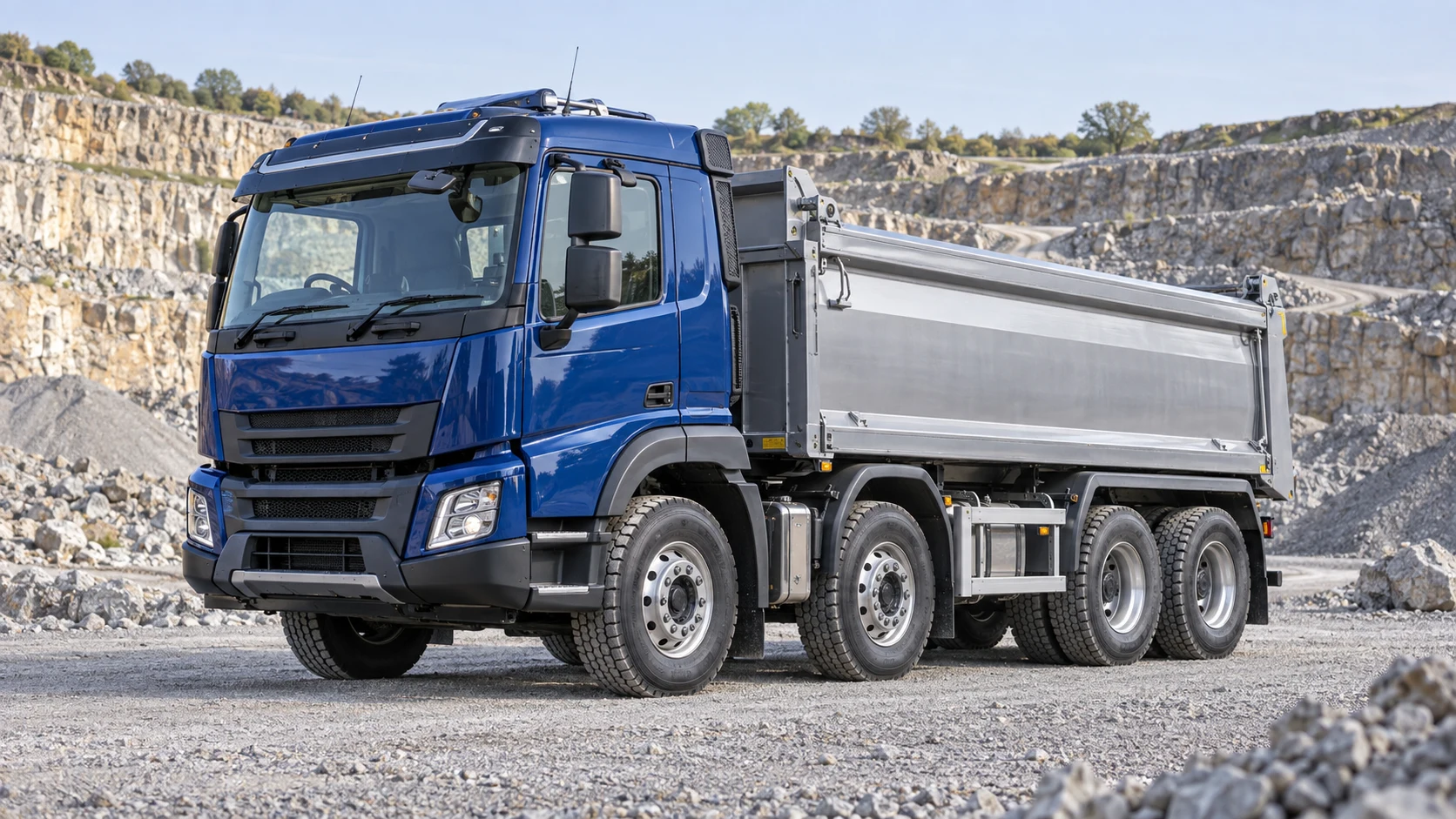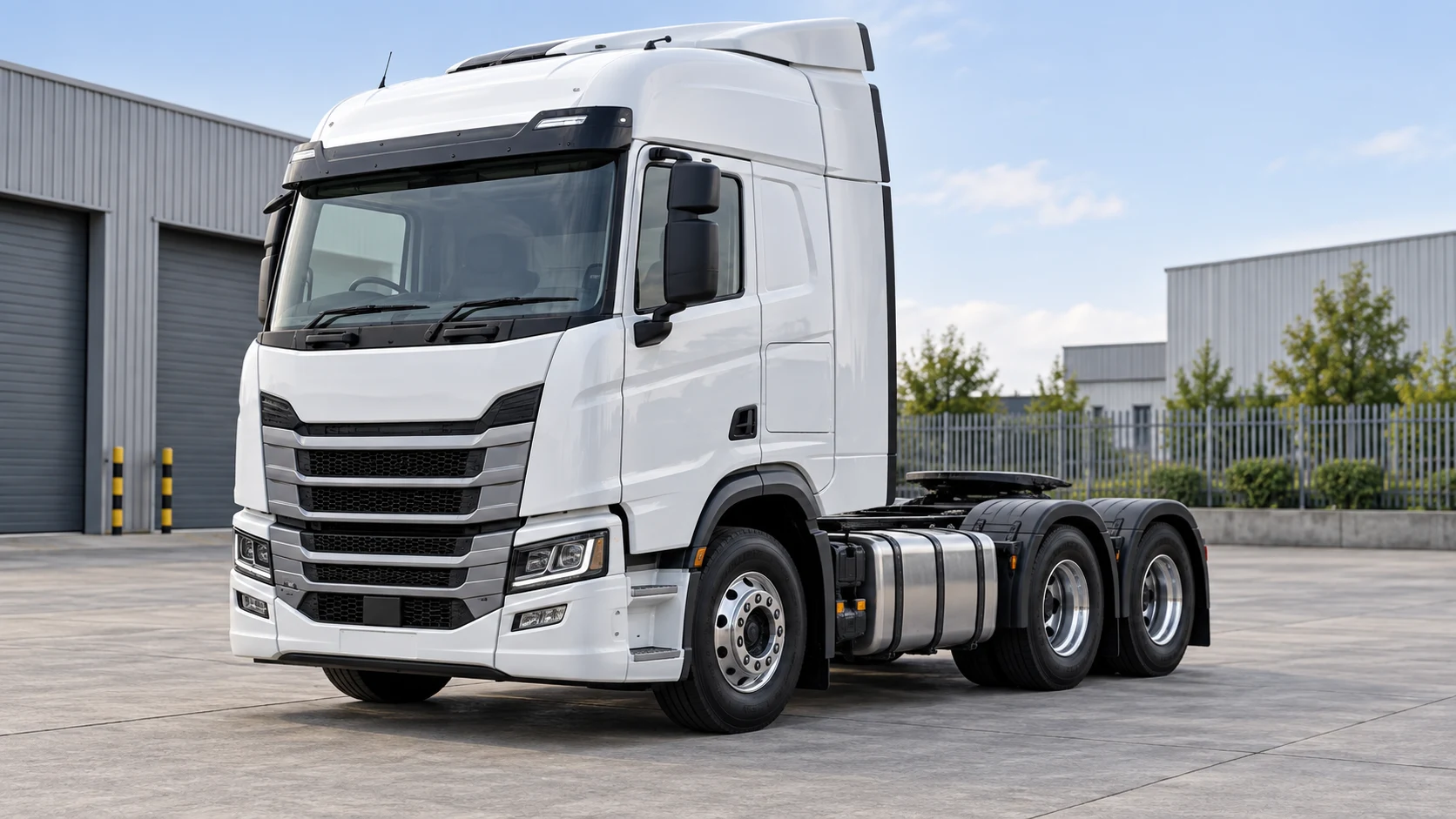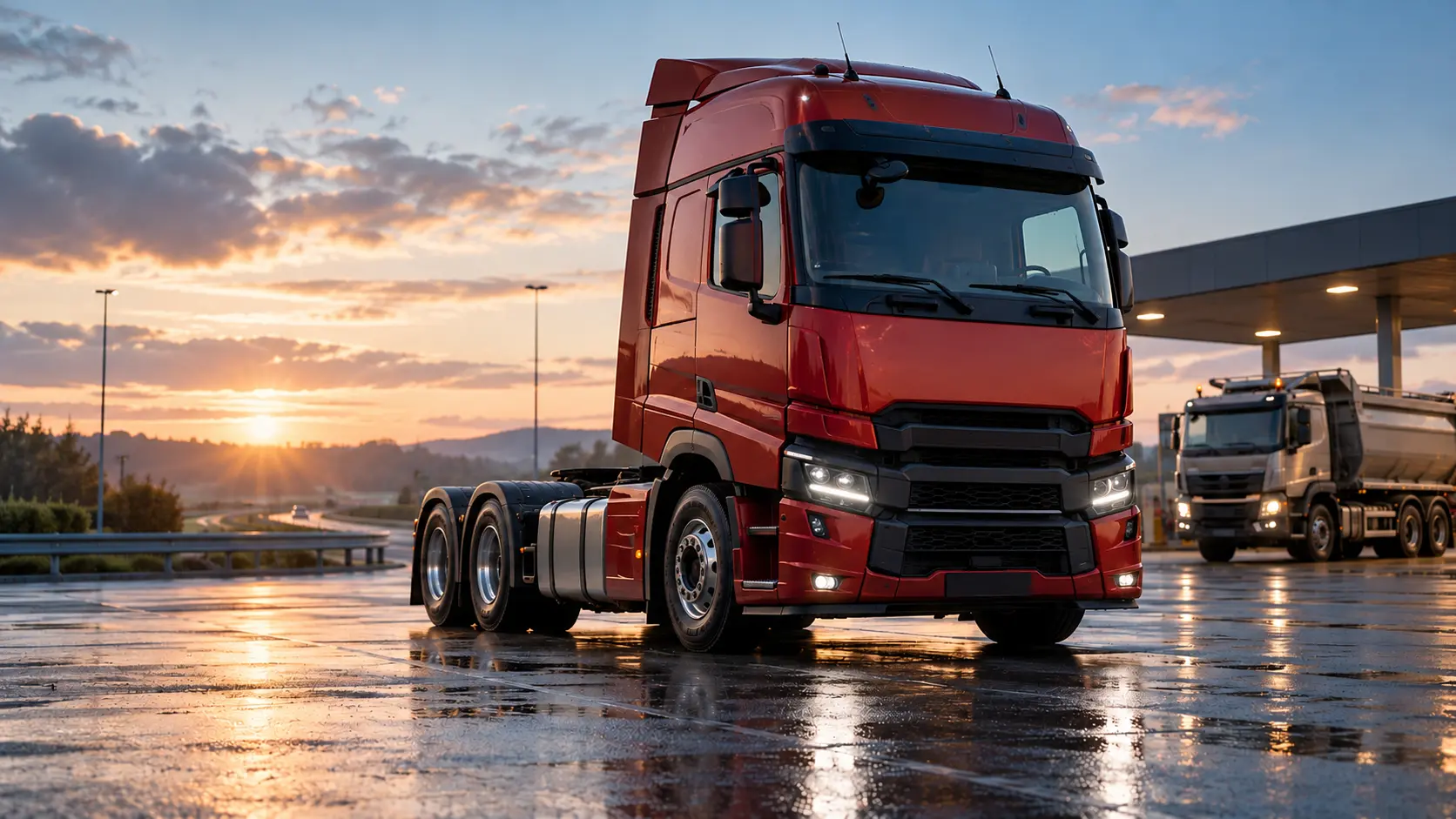
Renault Trucks has used the 2027 model-year update to make a case for operators who still need diesel: reduce fuel use while keeping the truck familiar enough for existing routes and workshops.
The headline change is the new DE13 R engine, paired with a revised Optidriver gearbox and predictive driving systems across the Renault Trucks T, T High, C and K ranges. Renault Trucks says the complete package can cut fuel consumption and carbon dioxide emissions by up to 4% compared with the previous generation, depending on specification, use and operating conditions.
What is new in the Renault Trucks DE13 R?
The DE13 R remains a 13-litre-class heavy-truck diesel, but Renault Trucks has changed several parts of the powertrain rather than relying on one headline component. The manufacturer lists versions up to 540 hp and 2,800 Nm of torque at 900 rpm.
Maximum cylinder pressure rises to 250 bar, while an external high-pressure fuel pump is intended to improve injection accuracy. Renault Trucks also says the engine uses high-strength grey iron and compacted graphite iron in its construction, with durability as well as efficiency in mind.
The engine is matched to a new generation of Optidriver automated gearboxes. Gear changes are claimed to be up to 20% faster than before, and the standard Optibrake+ engine brake is more powerful. For a tractor working hilly trunk routes, or a construction truck repeatedly entering sites and descending under load, those changes may matter as much to the driver as the fuel figure.
Where the claimed 4% fuel saving comes from
Renault Trucks describes the improvement as a whole-vehicle result. Alongside the combustion and gearbox changes, the 2027 range uses Optivision+ predictive cruise control. The system reads topographical data and road signs to help choose speed, acceleration and gear strategy.
Predictive Engine Stop Start can switch the engine off while the vehicle is freewheeling in Optiroll, while keeping essential systems operating and restarting when required. Aerodynamic changes and, on the Smart Racer2 specification, low-rolling-resistance tyres and a fuller efficiency package also contribute.
The important wording is up to 4%. That is not a guaranteed result for every vehicle. A truck on steady motorway work may produce a different improvement from a tipper on short, loaded site cycles. Bodywork, axle layout, gross weight, traffic, idling, tyre choice, driver behaviour and the route profile will all affect the result.
What 4% could mean to a UK operator
Use your own fuel records before attaching a cash value to the claim. As a simple illustration, a truck burning 30,000 litres a year would save 1,200 litres if it achieved the full 4% reduction. A truck using 50,000 litres would save 2,000 litres. Multiply that volume by the business's actual net fuel cost, not a pump price copied from a national average.
Then test whether the comparison is like for like. A replacement tractor may have different tyres, gearing, aerodynamics, power take-off use or trailer work. If the new truck carries more payload, runs a different route or spends less time idling, the fuel movement cannot be attributed to the engine alone.
A useful demonstration should therefore include the same trailer type, comparable load, representative roads and a clear measurement method. Ask the supplying dealer to show the specification behind any saving quoted in the proposal.
Which trucks receive the new powertrain?
The DE13 R package is being introduced across the Renault Trucks T and T High long-haul ranges, the C construction range, and the heavier-duty K range for model year 2027.
Operators should still check whether the chosen wheelbase, axle layout, cab, gearbox software, final-drive ratio and body equipment are available with the desired power rating. The most economical catalogue combination is not automatically the best working specification. A truck that struggles with the normal load, needs unnecessary gear changes or gives away payload can cost more overall.
For buyers comparing tractor units, our guide to 4×2, 6×2 and 6×4 axle layouts explains why the cab badge is only the start of the decision.
HVO and B100 compatibility needs a fuel plan
Renault Trucks says the DE13 R is compatible with HVO and B100 renewable fuels. That can give fleets another route to reducing fossil-diesel use, but compatibility is not the same as guaranteed availability or a fixed operating cost.
Before committing, confirm the exact approved fuel standard for the ordered truck, warranty conditions, local supply, storage requirements and how the fuel will be recorded. B100 and HVO are different products, so do not treat the names as interchangeable. A depot that intends to change fuel should also check tanks, filters, maintenance procedures and contingency supply with the manufacturer and fuel provider.
Driver comfort and control are part of the update
The 2027 model-year package also includes Smart Steering with Driver Assist functions for directional stability, lane keeping and following distance. Renault Trucks says the DE13 R's torque delivery and the faster, smoother gear changes should make the truck quieter and easier to drive.
For an operator, these features should be assessed with the people who will use them. Put a regular driver in the demonstration vehicle, check how the assistance systems behave on the intended roads and confirm which functions are standard or optional. A system that is well understood and accepted is more likely to stay switched on and deliver the intended benefit.
Questions to ask before ordering a MY2027 Renault truck
- Which DE13 R power and torque version suits the real gross weight and route?
- What specification is required to support the quoted fuel saving?
- Are Optivision+, Predictive Engine Stop Start and Smart Steering standard on this vehicle?
- Which axle ratio, gearbox program and tyre package is being proposed?
- What is the finished kerb weight after the body, fifth wheel, hydraulics or other equipment?
- What evidence can the dealer provide from comparable UK work?
- What servicing, software and driver-training support is included?
- Which HVO or B100 standard is approved, and are there warranty conditions?
- When will the exact right-hand-drive specification be available?
- What are the expected residual value and whole-life cost against the current model?
What it may mean for used-truck buyers
A new model-year powertrain can also affect the used market. Fleets replacing earlier T, T High, C or K vehicles may release more late-model stock, while buyers comparing old and new should separate purchase price from lifetime fuel and maintenance assumptions.
Do not assume a previous-generation truck is poor value because the new one carries a 4% headline. A well-specified, well-maintained used vehicle at the right price may still fit the work better. Equally, a high-mileage fleet can justify paying more for a genuine recurring fuel reduction. Read our guide to what to check before buying a new truck and compare it with the trucks currently advertised on Trucksalot.
The Renault Trucks MY2027 update is useful because it targets everyday diesel operating cost rather than asking every fleet to change its infrastructure. The correct buying test is straightforward: specify the truck for the job, price the saving from your own data and ask the dealer to prove how the proposed vehicle should perform on your routes.