Buying the lorry and being allowed to operate it are different decisions. A truck can be perfectly described, fairly priced and still be the wrong vehicle for the licence you hold, or for the work you intend to do with it. The rules sit with the traffic commissioners and are set out in the goods vehicle operator licensing guide on GOV.UK. This note is not a substitute for that guide, or for advice on your own operation.
Weight comes first
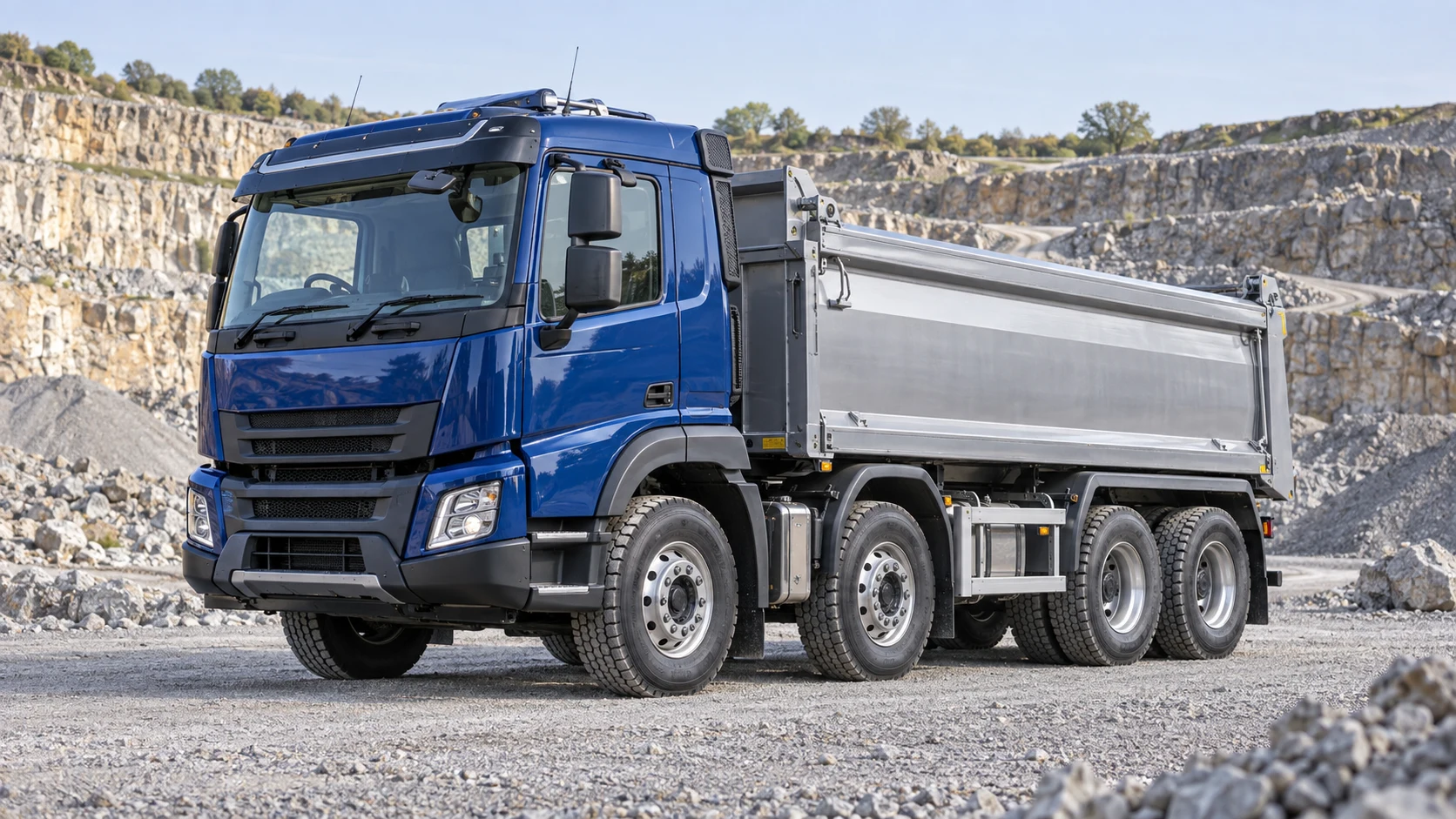
A goods vehicle operator’s licence that authorises vehicles or combinations over 3.5 tonnes is a heavy goods vehicle licence. A licence that only authorises vehicles of 3.5 tonnes or less is a light goods vehicle licence. A 7.5-tonne rigid, an 18-tonne box and a 32-tonne tipper are not interchangeable just because your business already runs vans. Read the plated weight on the advert, then read what your licence actually authorises.
Driving entitlement is separate again. Licence categories for drivers are published on GOV.UK. The person who will drive the truck needs the right category. The business that will operate it needs the right operator’s licence. One does not cover the other.
Restricted or standard
There are three types of goods vehicle operator’s licence, and the right one depends on how the vehicle is used. In short, the GOV.UK guide describes them like this. A restricted licence usually covers carrying your own goods. A standard national licence covers carrying other people’s goods for hire or reward in the United Kingdom, and your own goods more widely. A standard international licence covers hire or reward in the UK and on international journeys, and comes with a UK Licence for the Community where that is required.
The awkward cases are the ones that feel like your own goods and are not. The guide gives vehicle recovery as an example: recovering a vehicle is not the same as returning it after repair. If you are buying a recovery truck, or a lorry that will sometimes carry someone else’s load, read that section before you commit. If you only ever move your own material, say so honestly and check that a restricted licence is the one you need.
The lorry has to fit the undertaking
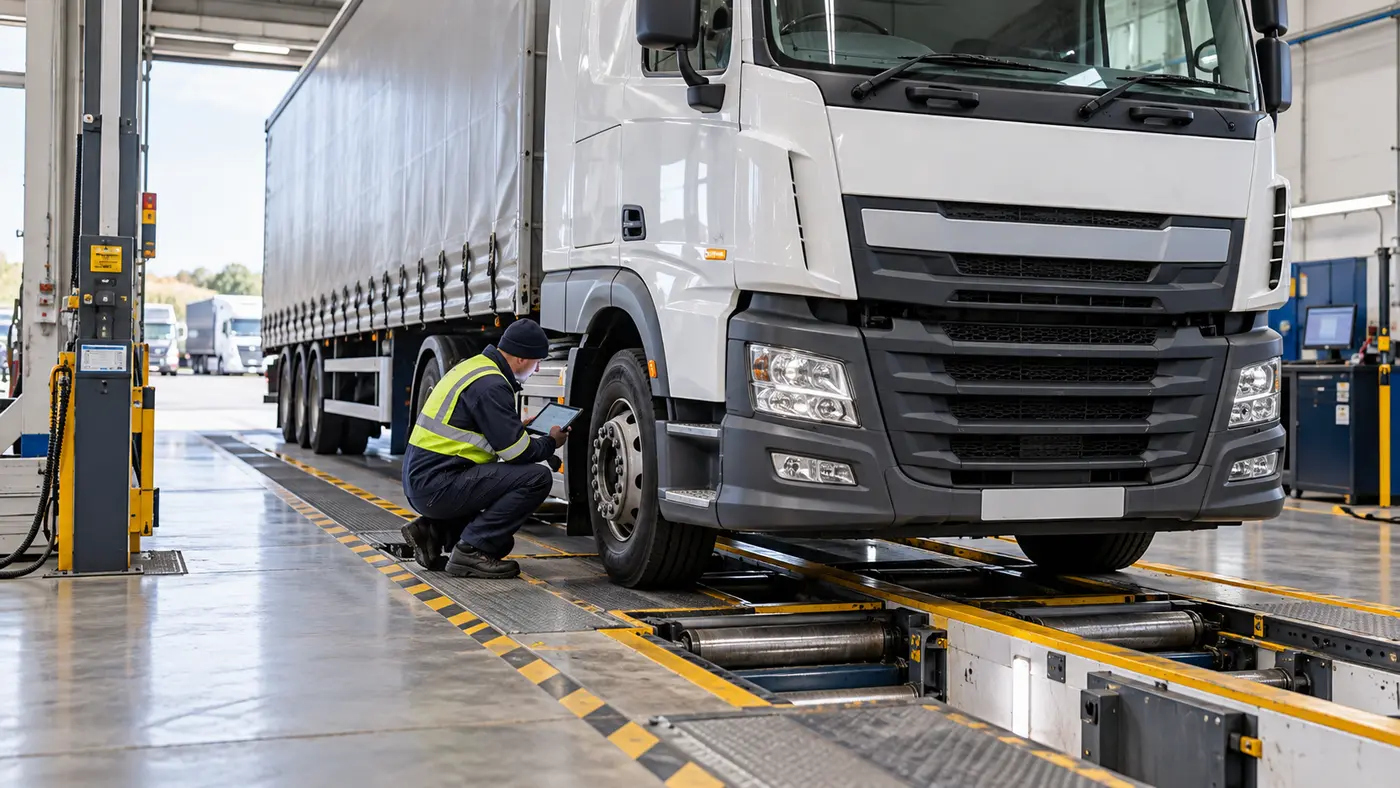
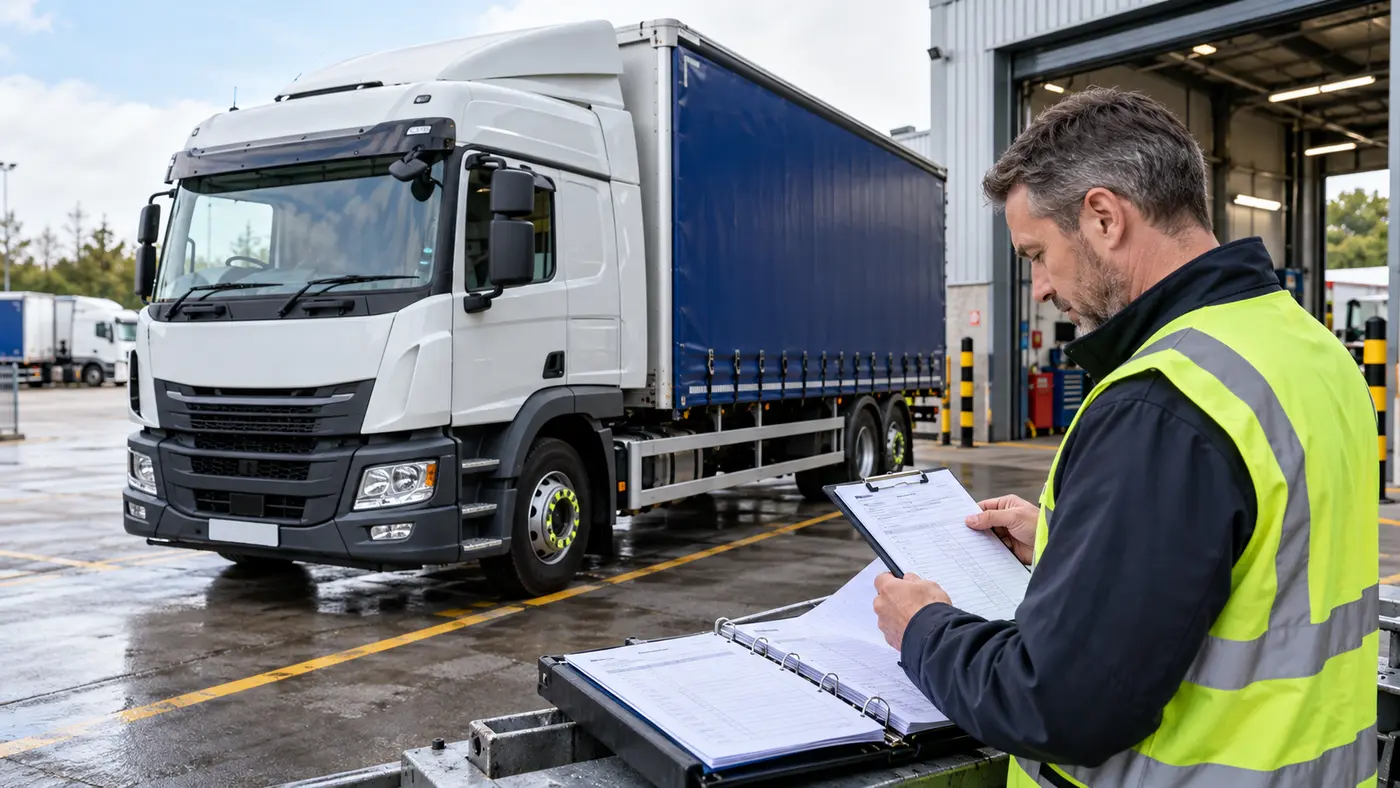
An operator’s licence is not a sticker you add after the purchase. Maintenance intervals, inspection records and the operating centre are part of the undertaking. A cheaper lorry with a poor test history can become the expensive one if it cannot be kept inside the maintenance system you have already declared. The MOT history is the practical place to start that conversation.
If you are specifying a new truck rather than buying a used one, the same question belongs in the order: plated weight, body and the work it will do. The checklist in what to check before buying a new truck is the specification side of that.
Where to look a seller up
GOV.UK also lets you search for lorry and bus operators by name, address or licence number, and to look at applications and decisions. That is a public record of operators, not a guarantee that the company selling you a truck is the operator, or that the lorry is on their licence. Ask who the registered keeper is, and who will remove the vehicle from their fleet if it is currently specified.
When the licence, the plate and the work all match, then the price is worth discussing. Until then, the advert is only a lorry. Browse trucks for sale with the plate in mind, and treat anything you are unsure about as a question for the traffic commissioner guidance, not as a detail to sort out after you have paid.